
Sensitive teeth can turn a cold glass of water, a spoonful of ice cream or even a breath of cool morning air into a sudden, sharp jolt of pain. The discomfort usually passes within seconds, but it is enough to make many people avoid foods they enjoy or chew only on one side. Dentists call this condition dentine hypersensitivity, and in most cases it can be controlled once the real cause is found.
This guide explains why teeth become sensitive, how to tell everyday sensitivity apart from a problem that needs treatment, and which remedies genuinely help, both at home and in the dental chair.
What are sensitive teeth?
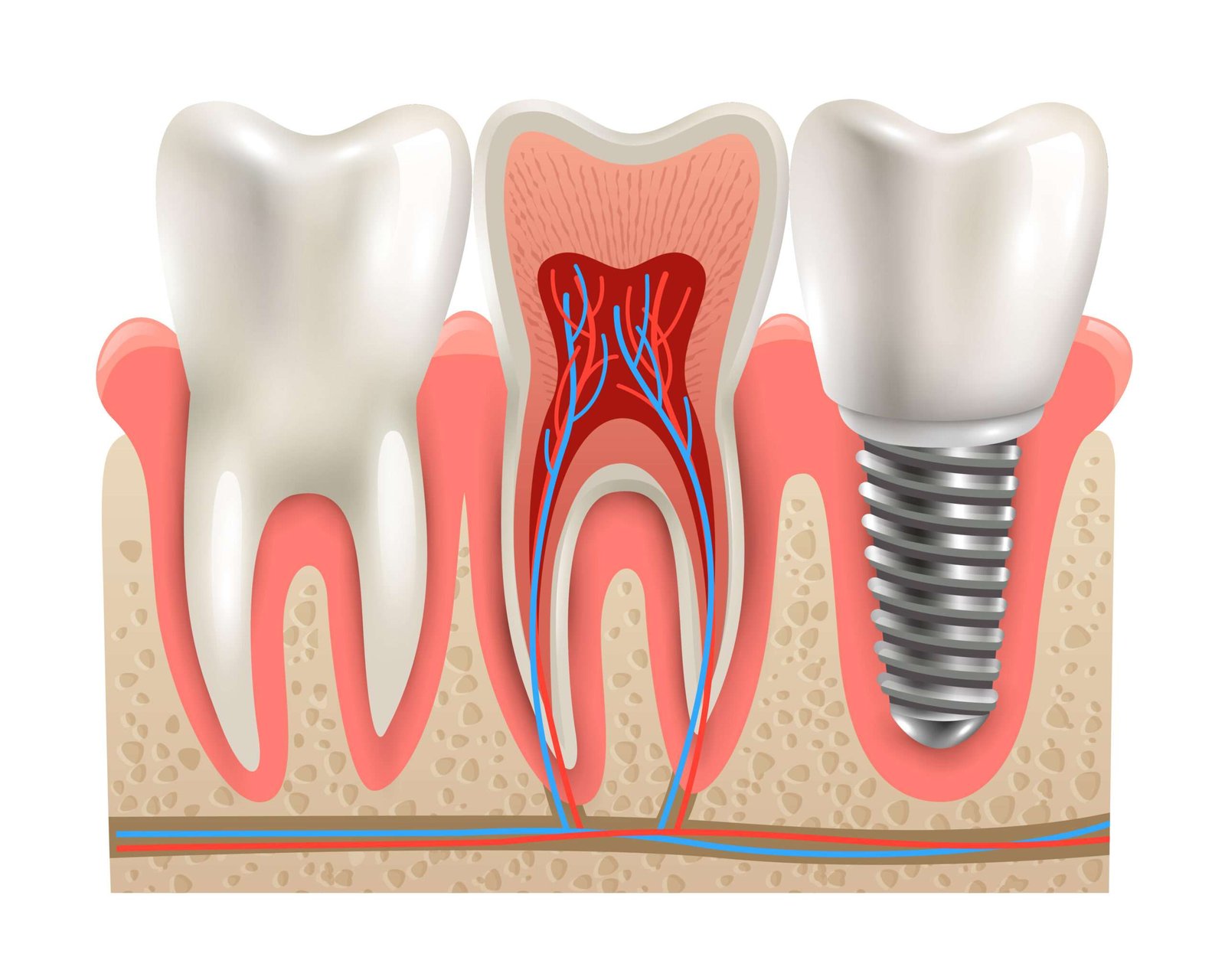
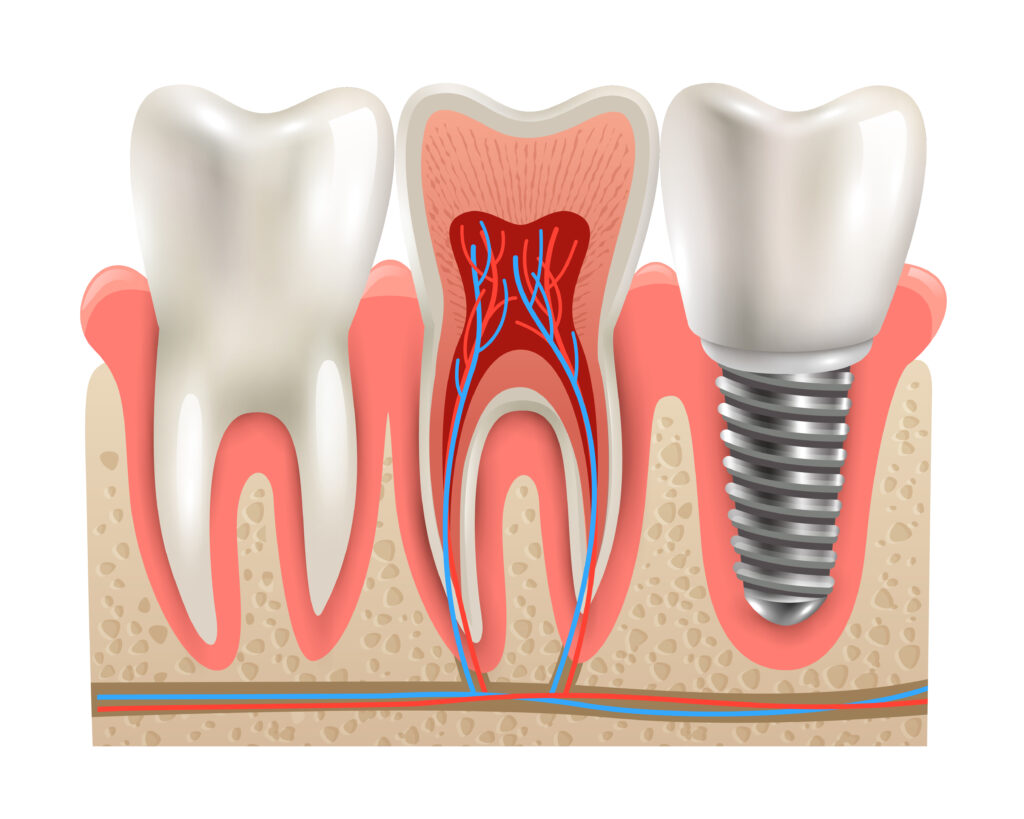
Enamel covers the crown of each tooth, and a thinner layer called cementum covers the root. Underneath both lies dentine, a softer layer filled with thousands of microscopic channels called tubules that run towards the nerve inside the tooth.
When enamel wears thin or the gums pull back, dentine becomes exposed. Cold, heat, sweet or sour foods, cold air and even a toothbrush can then move the fluid inside those tubules, and the nerve registers that movement as a short, sharp pain. That is why sensitive teeth typically hurt quickly and stop soon after the trigger is removed.
What does tooth sensitivity feel like?
- A sharp, brief pain when you drink something cold or eat ice cream
- A twinge with sweet or sour foods, such as sweets, citrus fruit or pickles
- Discomfort when breathing in cold air through the mouth
- Pain while brushing or flossing close to the gumline
- Sensitivity in one tooth, a group of teeth, or along a whole side of the mouth
What causes sensitive teeth?
Sensitivity is a symptom rather than a diagnosis. Finding which of these causes applies to you decides which treatment will work.
Gum recession
When gums recede, the root surface is exposed. Roots have no enamel, so they react to temperature far more easily than the crown. Recession can follow years of hard brushing, gum disease, crowded or misaligned teeth, or simply age. If your gums also bleed, read our guide to bleeding gums and gingivitis.
Enamel erosion from acids
Frequent contact with acid softens and dissolves enamel. Common sources include fizzy drinks, packaged juices, nimbu pani sipped through the day, tamarind, pickles, vinegar-based foods and acid reflux. Erosion tends to cause sensitivity on several teeth at once and can make teeth look slightly yellow or glassy at the edges.
Brushing too hard or with a hard brush
Scrubbing side to side with a hard-bristled brush can wear notches into the tooth near the gumline and push gums back. Many people with sensitive teeth do not realise that their brushing habit is part of the problem. Our article on correct brushing technique shows a gentler method.
Teeth grinding and clenching
Grinding or clenching, especially during sleep, gradually flattens and chips enamel and can create tiny cracks. People who grind often also notice morning jaw tightness, which we cover in our guide to TMJ disorder.
Cavities, cracks and worn fillings
When sensitivity is limited to a single tooth, decay, a cracked tooth or an old filling that has started to leak is a likely cause. These problems will not settle with toothpaste alone. Our article on toothaches and their causes explains how pain from decay usually progresses.
Sensitivity after dental treatment
Teeth can feel sensitive for a short while after a professional cleaning, a new filling, a crown or teeth whitening. This kind of sensitivity is normal and usually fades within a few days to a couple of weeks. If it does not, tell your dentist.
Sensitive teeth or something more serious?
Not every sharp feeling in a tooth is simple sensitivity. This table can help you judge how urgently you need an examination.
| What you notice | What it often points to | What to do |
|---|---|---|
| Brief, sharp pain with cold or sweet that stops within seconds, felt in several teeth | Exposed dentine from wear or recession | Start a desensitising toothpaste and mention it at your next check-up |
| Sharp pain in one particular tooth, often with sweets | A cavity or a leaking filling | Book a dental examination |
| Pain when you bite down or release the bite | A cracked tooth or a filling that is too high | See a dentist soon |
| Pain that lingers long after the hot or cold is gone, throbs, or wakes you at night | An inflamed or infected nerve | Seek prompt care; root canal treatment may be needed |
| Sensitivity along with bleeding, swollen or receding gums | Gum disease | Ask for a gum (periodontal) assessment |
How are sensitive teeth treated?
A dentist first confirms the cause by examining the gums and enamel, checking your bite and fillings, testing the sensitive area with a gentle puff of air and taking an X-ray when decay or a nerve problem is suspected. Your dentist then matches the treatment to the cause.
1. Desensitising toothpaste
Toothpastes for sensitive teeth work in two ways. Potassium nitrate calms the nerve response, while ingredients such as stannous fluoride and arginine plug the open tubules. Use one twice a day for several weeks, spit out the excess without rinsing, and dab a little on the sensitive spot at bedtime. Our guide on choosing the right toothpaste covers how to compare products.
2. In-clinic fluoride varnish and desensitising agents
Your dentist can paint a concentrated fluoride varnish or a desensitising liquid onto the exposed surface to seal the tubules. It takes only a few minutes, needs no anaesthetic and you can repeat it if sensitivity returns.
3. Bonding over exposed roots or worn notches
Where the root is exposed or brushing has worn a groove near the gumline, a thin layer of tooth-coloured resin can cover the area. This protects the dentine and often improves appearance as well. Learn more about dental bonding.
4. Laser desensitisation
In suitable cases, a dental laser can help seal exposed dentinal tubules and reduce sensitivity without drilling. Read about our laser dentistry treatments.
5. Treating the underlying problem
Lasting relief depends on fixing what exposed the dentine in the first place. That can mean filling a cavity, replacing a worn filling, treating gum disease, adjusting a high bite, or fitting a custom night guard if you grind. For significant recession, a gum graft can cover the exposed root.
6. Root canal treatment when the nerve is involved
If the pulp is badly inflamed or severe sensitivity persists despite other measures, root canal treatment removes the source of pain while keeping the natural tooth. It is a last resort rather than a first step. See our article on root canal myths and recovery and our microscopic root canal treatment page.
How to manage sensitive teeth at home
- Switch to a soft-bristled brush and use gentle, circular strokes instead of scrubbing
- Use a desensitising toothpaste every day, not only when it hurts
- After acidic food or drinks, rinse with water and wait about an hour before brushing, so softened enamel is not brushed away
- Drink fizzy drinks and juices through a straw and with meals rather than sipping them all day
- Avoid gritty whitening pastes and charcoal powders, which can wear enamel
- Do not overuse home whitening kits; follow the instructions or ask your dentist first
- Wear a night guard if your dentist confirms that you grind your teeth
When should you see a dentist for sensitive teeth?
Book an appointment if any of the following apply:
- Sensitivity has not improved after a few weeks of using a desensitising toothpaste
- The pain is limited to one tooth
- Pain lingers after the trigger is gone, or throbs on its own
- It hurts to bite or chew
- You notice swelling, a pimple on the gum or a bad taste
- Sensitivity started suddenly after a fall, a blow or biting something hard
- You can see your gums receding or notches near the gumline
Desensitising toothpaste can mask the early warning signs of decay, so it is worth having sensitive teeth checked even if the toothpaste seems to help. Regular dental check-ups also catch erosion and recession before they become painful.
Sensitive teeth treatment at Amaya Dental in Bengaluru
At Amaya Dental, a sensitivity consultation begins with finding the cause rather than simply recommending a toothpaste. We examine your gums, enamel, bite and existing fillings and take an X-ray where needed. Your treatment plan can then range from simple in-clinic desensitising and bonding to gum care, laser treatment or, only when the nerve is affected, root canal treatment.
If cold drinks or brushing have started to hurt, book a consultation or contact our team to have your teeth assessed.
The bottom line
Sensitive teeth are common and usually manageable. Most cases come from exposed dentine caused by gum recession, acid erosion, hard brushing or grinding, and respond well to gentler habits, a desensitising toothpaste and simple in-clinic treatments. Pain that sits in one tooth, lingers or comes with swelling points to something more and needs a dentist to examine it. For more background, the Cleveland Clinic overview of sensitive teeth is a useful independent reference.
Frequently Asked Questions About Sensitive Teeth
Sensitivity after whitening, cleaning or a new filling usually settles by itself within days to a couple of weeks. Sensitivity caused by exposed roots, enamel erosion or grinding generally needs daily management or treatment, and sensitivity caused by a cavity will not heal on its own.
Some people notice relief within a few days, but it usually takes a few weeks of twice-daily use for the full effect. Sensitivity often returns if you stop, so most people need to keep using it.
It can be, especially when the pain is in one tooth and is triggered by sweet foods. More often, sensitivity comes from exposed dentine. A dental examination, and sometimes an X-ray, is the only reliable way to tell.
Whitening gels pass through enamel and can temporarily irritate the nerve. The effect is normally short-lived. Your dentist can reduce it by adjusting the gel strength, shortening sessions or applying a desensitising agent.
Yes. Hard brushing, particularly with a hard-bristled brush, can wear enamel near the gumline and push the gums back, exposing sensitive root surfaces. A soft brush and gentle technique help prevent this.
Yes, you can use a desensitising toothpaste every day in place of your regular fluoride toothpaste. Just make sure a dentist has ruled out decay or a crack, so the toothpaste is not hiding a problem that needs treatment.


